
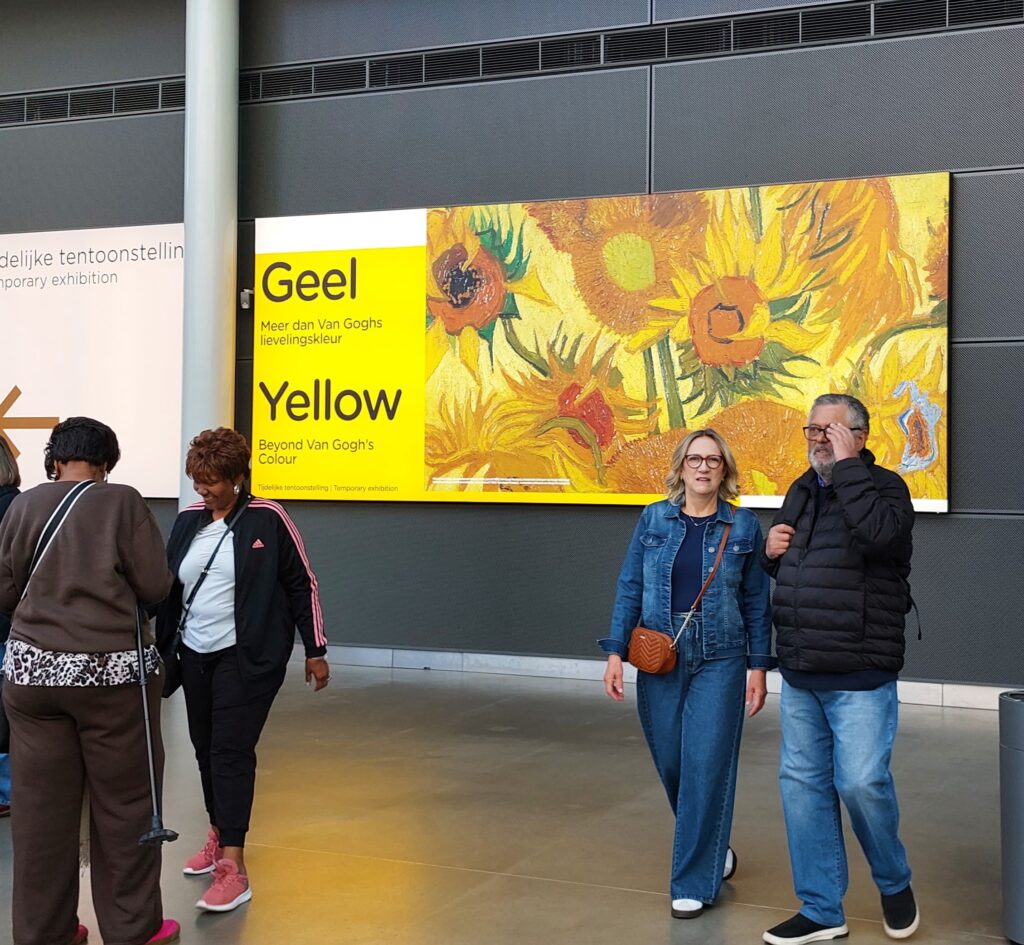
My spring visit to the Van Gogh museum, Amsterdam presented an opportunity to visit the special exhibition there Yellow or in Dutch Geel. Van Gogh loved the colour and one of his Sunflowers paintings, one almost entirely painted in yellow tones, greets the viewer
The exhibition also explored the varied significance of yellow.
Technical histories
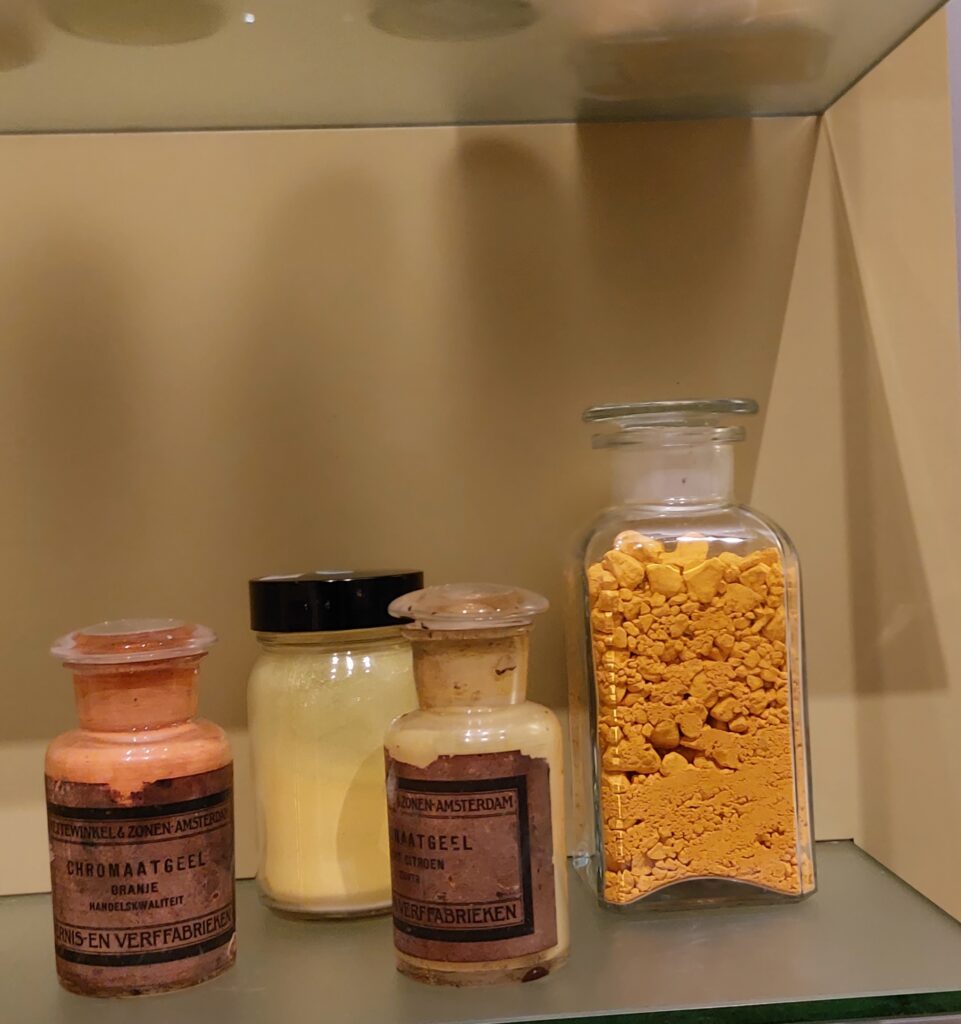
Explanations about the range of yellow tones provided technical insights into the colour, showcasing the natural and chemical pigments that furnish painters with their yellow choices. Van Gogh’s favourite was chrome yellow, the manufacture of which began around 1815. I was fascinated to learn that Indian yellow was traditionally made from in India from the urine of cows fed only on mango leaves.
Colour Theory
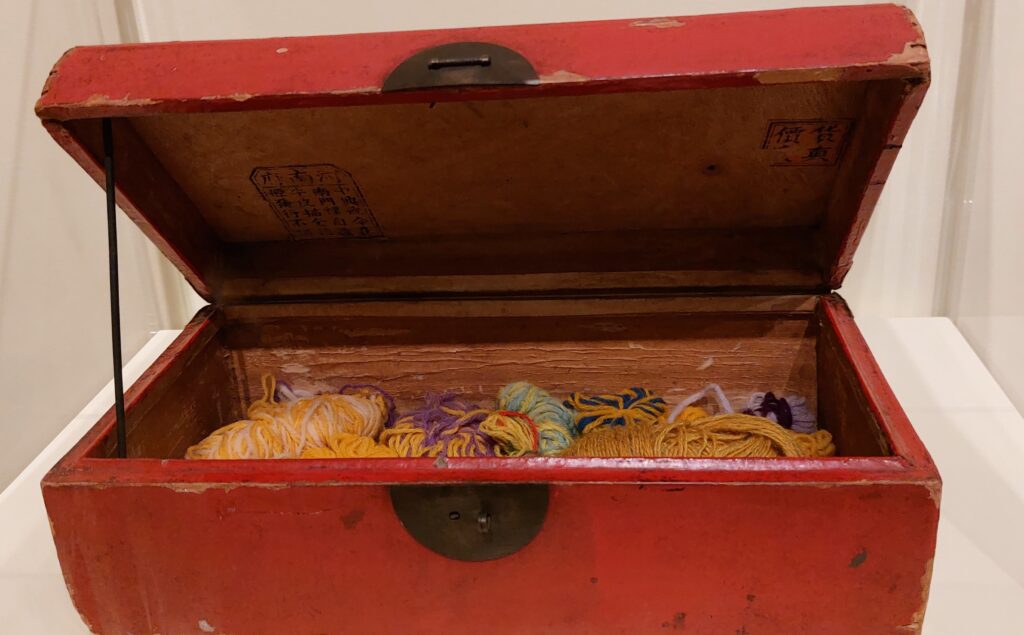
Colour theory is a vast and complex field.. A section of the exhibition signaled out the importance of Goethe’s colour theory. In his colour wheel, he identified two colours yellow and blue, at opposite poles, with contrasting characteristics warm/cold, active/passive etc. The “good” yellows stood for purity and brightness. I was surprised Albers did not get a mention for his extensive work on colour interactions and how a colour can change in our perceptions depending on other colours, forms and lighting surrounding it. On the other hand, when I saw how Van Gogh used balls of coloured balls of wool kept in a red box to help with his colour compositions, I marvelled at how he reached a similar understanding well before. The 19th century colour theories of French chemist Chevreul and Art historian Charles Blanc were also known to him.
Psychological and Spiritual Associations
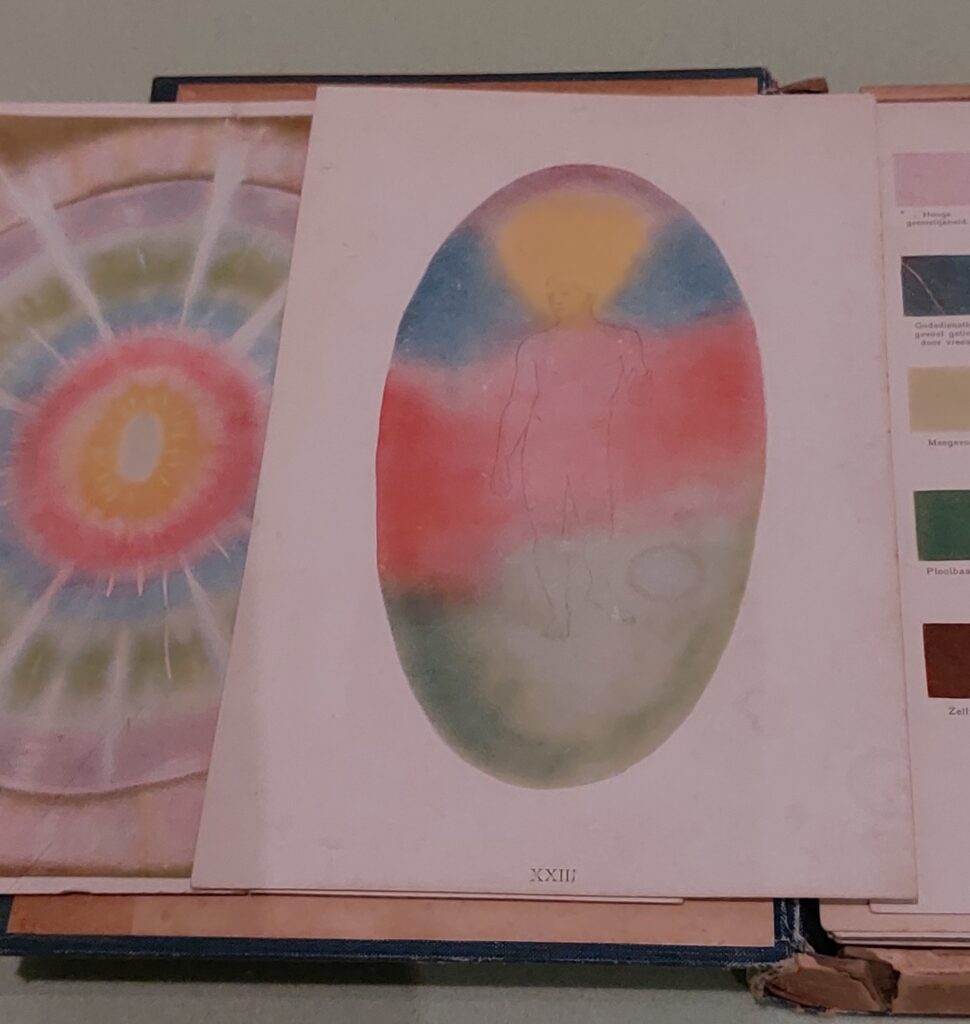
Goethe’s theories touching as they did on psychological responses to yellow straddle the scientific approaches to colour theory and the psychological, but other approaches embrace the psychological and spiritual. Yellow can represent a lot more than brightness and light. In Theosophy a spiritual movement which influenced many artists in the early 20th century yellow represented intellect and the desire to understand the world. Hilma af Klint adhered to this. In Kandinsky’s rigorous Bauhaus teaching on form and colour, yellow was linked with the thrusting, active, inquisitive triangle.
Modernism and rebellion
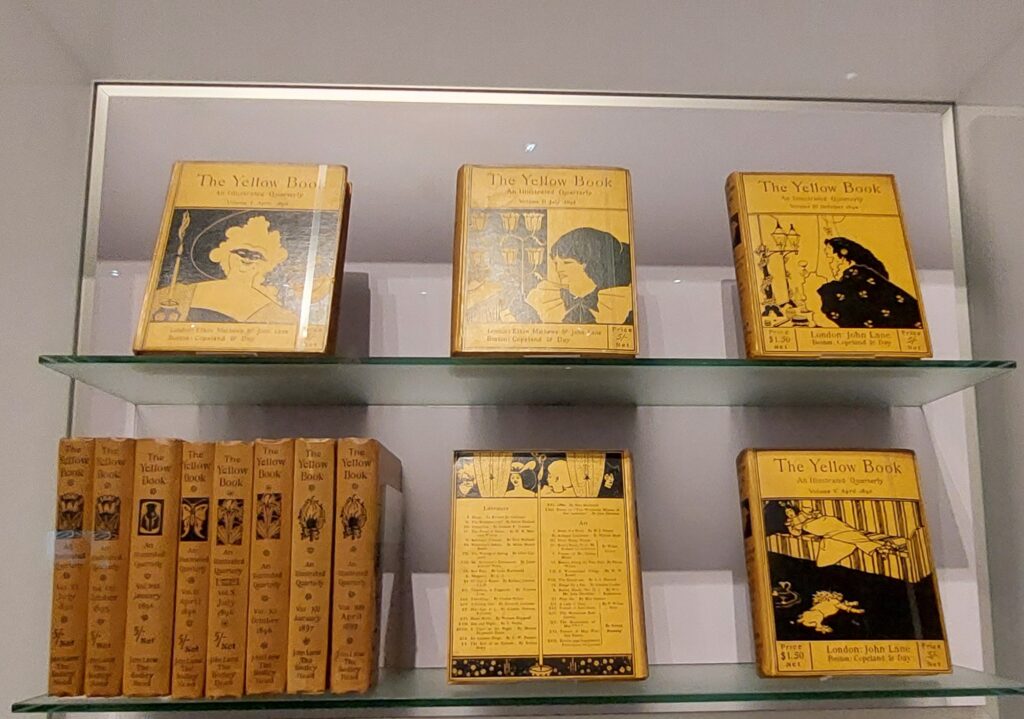
The association of yellow with modernism and rebellion was entirely new to me. This came about mainly because of the Yellow Book publications, a series of risqué and moderately scandalous novels published in the early 20th century, some of which could boast covers designed by Aubrey Beardsley.
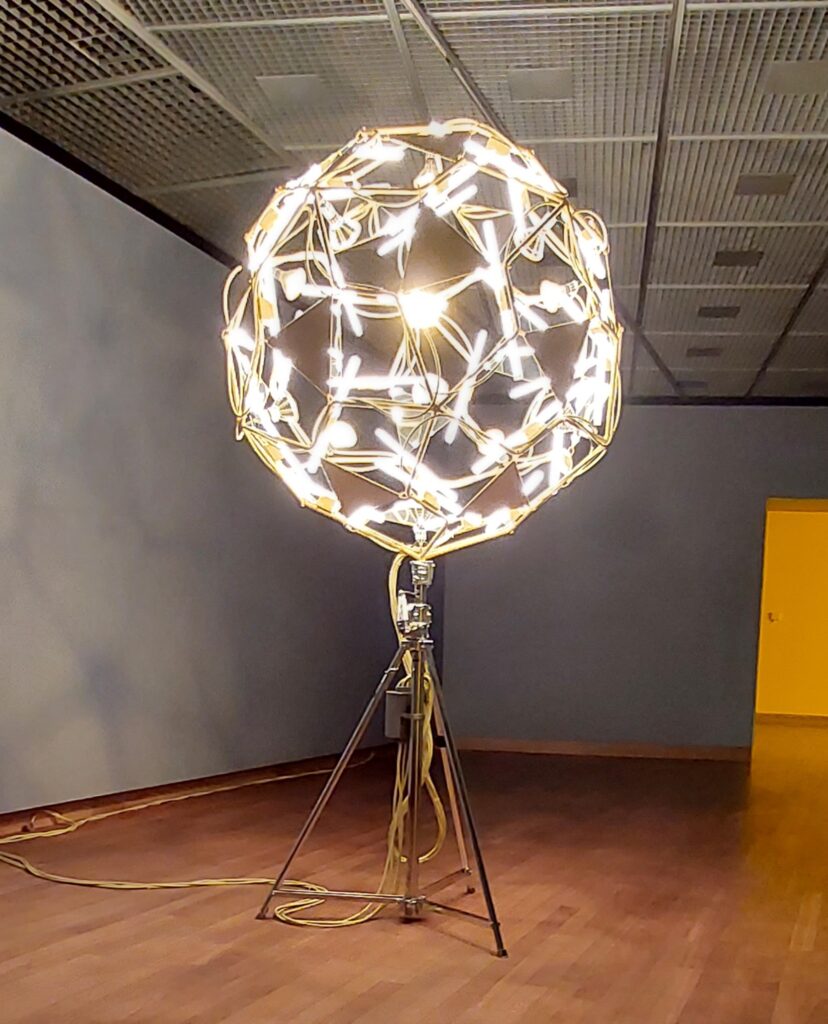
The exhibition displayed works of several other artists who also appreciated the potential of yellow in their palette. And still appreciate as the exhibition closes on the contemporary use of yellow light in contemporary Danish artist Olafur Eliasson, whose glowing Sun, or to give it its correct title, The Weather Project, so entranced visitors in Tate Modern in 2003-2004.
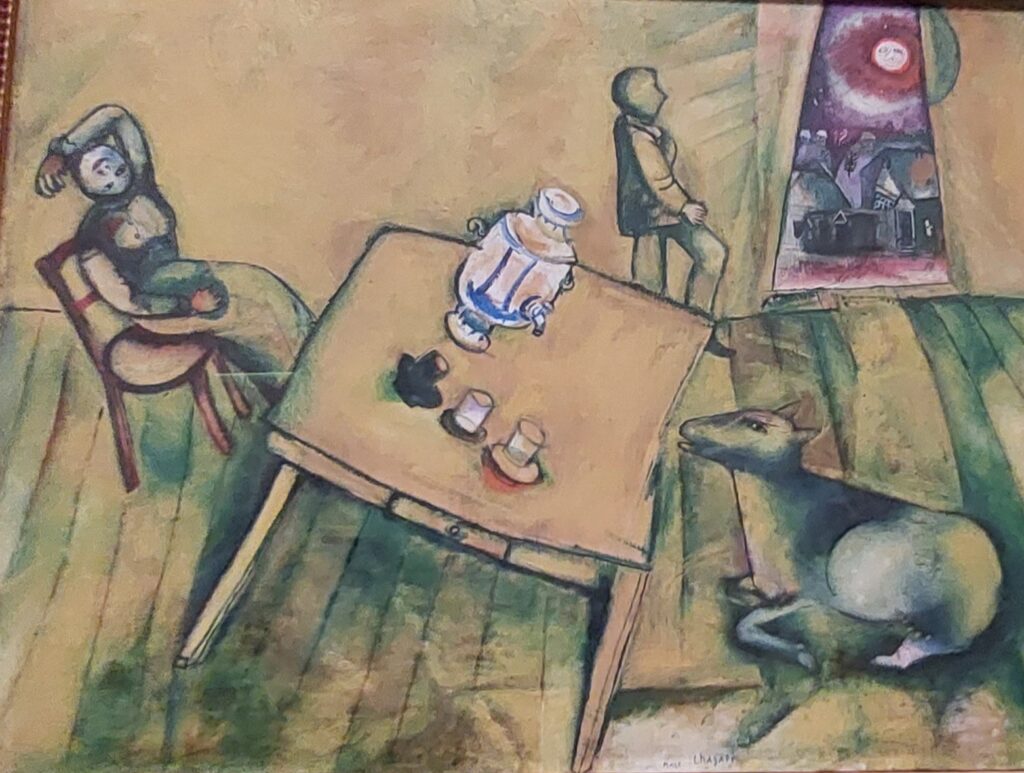
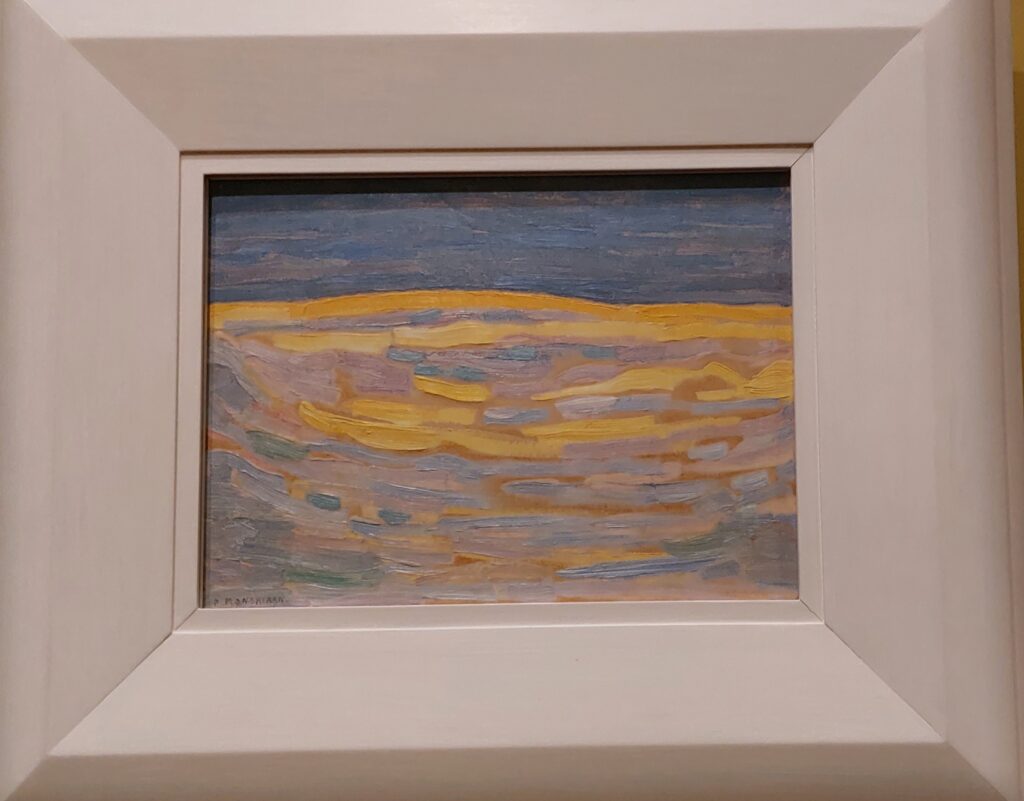
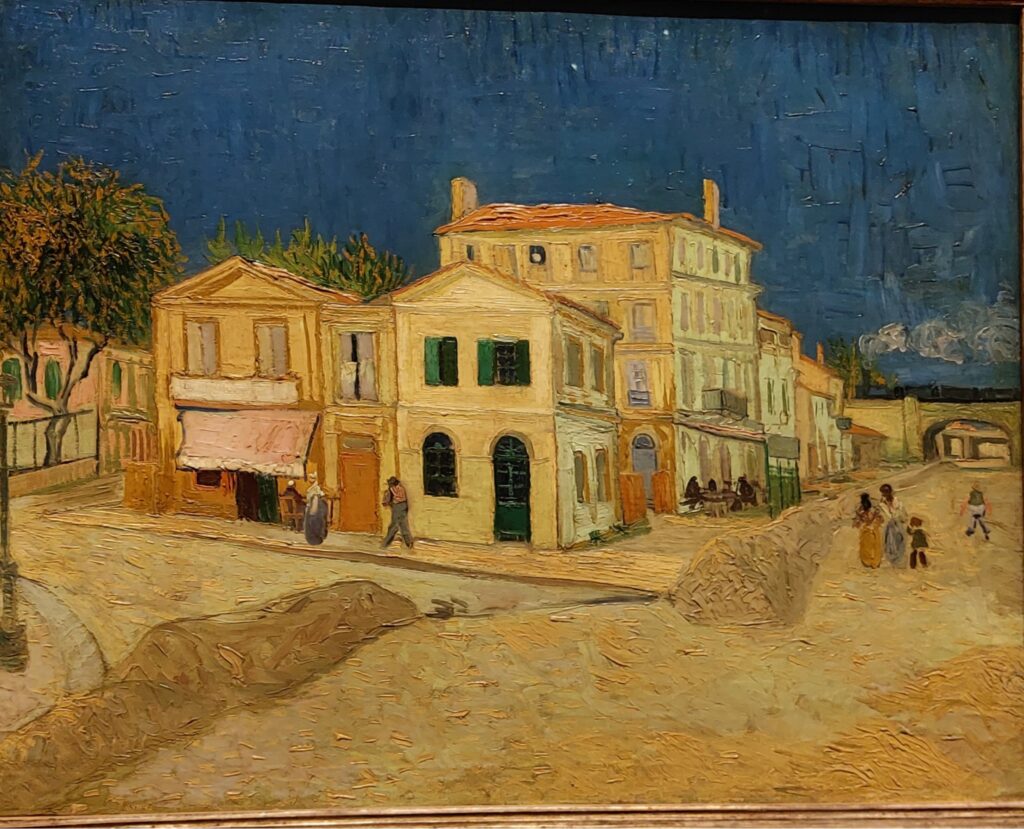
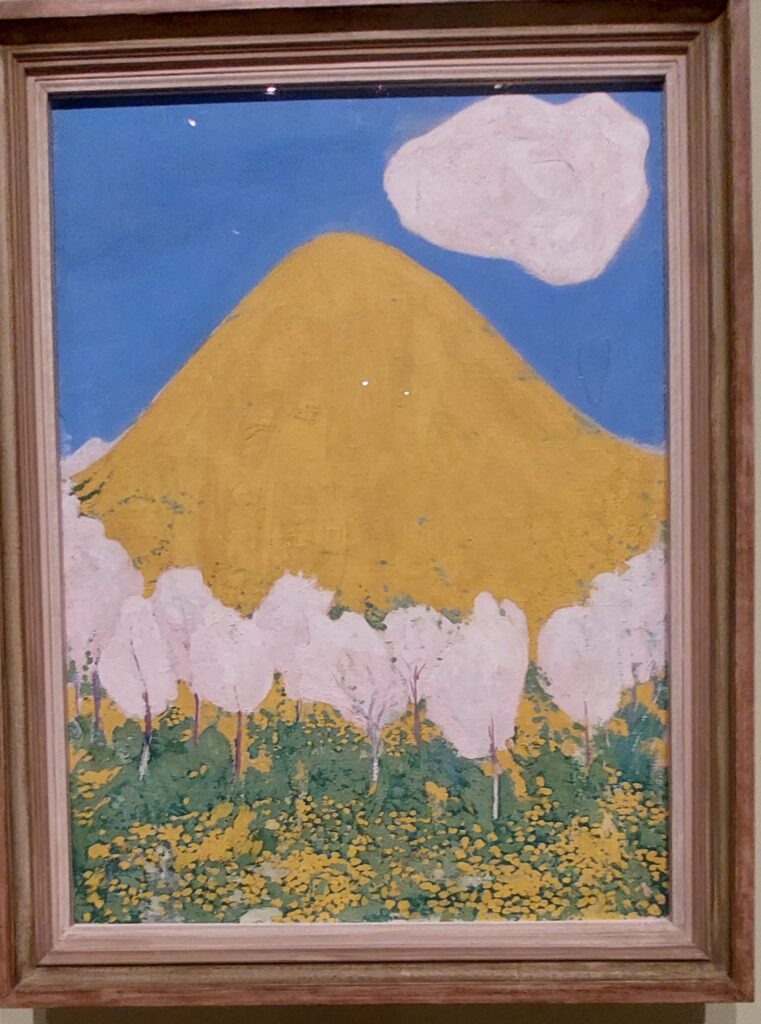
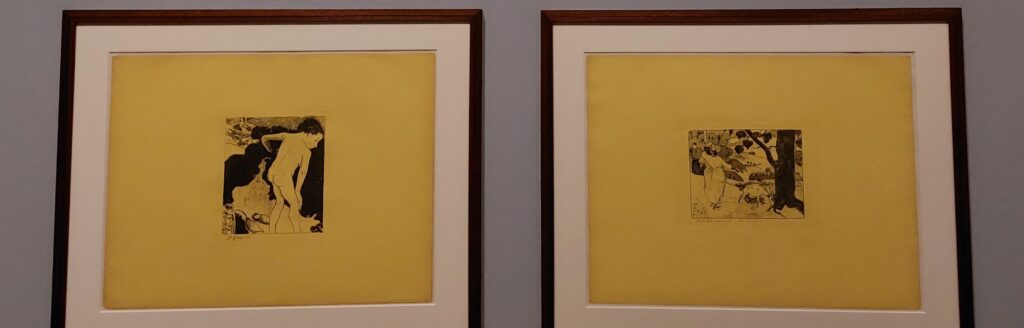
I use yellow sparingly. Perhaps I should be bolder.; At the very least, I could follow Gaugin’s example in his Volpini suite and print suitable drypoints on yellow paper